Toy Organization Ideas That Actually Make Life Easier
Toy organization can feel overwhelming, especially when toys seem to multiply overnight. One minute everything is tidy, and the next minute the living room looks like a toy store exploded.
The good news is that organizing toys does not have to mean hiding everything away or spending hours sorting every single day. With the right systems in place, toy organization can feel simple, realistic, and easy to maintain even with busy schedules and energetic kids.
In this article, you will find:
- Practical toy organization ideas that work in real homes
- Storage solutions for small spaces and shared rooms
- Simple systems that help kids learn to clean up independently
- Flexible ideas that grow with your children
Toy organization is not about perfection. It is about creating a home that functions well for your family and supports play without constant clutter.
Whether you are organizing toys in a living room, bedroom, playroom, or small corner of your home, these ideas are meant to help you feel more in control and less stressed.
More to read:
- 40+ Girl Names with Nicknames
- Spring Maternity Outfits
- The Ultimate Guide to Diaper Bag Essentials
- 27 Toddler Playroom Ideas
- The Best Boho Playroom Ideas
Affiliate links may be used in this post and if so I will receive a commission at no extra cost. I’m also part of the Amazon Affiliate (Associate) program where I earn a commission from sales made through my affiliate links. Read the full disclosure policy.
Toy Organization Ideas
Before diving into the ideas, it helps to remember that the best toy organization systems are the ones you can actually keep up with. You do not need complicated labels, color coded bins, or perfectly styled shelves.
What matters most is visibility, accessibility, and having a clear place for everything. When toys are easy to find and easy to put away, both kids and adults are more likely to stick with the system long term.
01. Open Shelving for Everyday Toys
Open shelving is one of the simplest and most effective ways to organize toys. Shelves allow kids to see what they have without dumping out every bin. This encourages independent play and easier cleanup because toys are visible and accessible. Use sturdy shelves at kid height and reserve higher shelves for games or toys that need supervision.
02. Large Bins Sorted by Toy Type
Large bins are perfect for grouping similar toys together. One bin for building blocks, one for dolls, and one for toy cars keeps everything contained without requiring detailed sorting. This approach works especially well for younger children who are still learning how to clean up. Clear bins make it even easier to see what goes where.
03. Cube Storage with Fabric Bins
Cube storage units paired with fabric bins are a classic toy organization solution for a reason. Each bin can hold a category of toys, and the uniform look helps reduce visual clutter. Fabric bins are lightweight, easy for kids to pull out, and simple to replace as needs change. This system works well in playrooms and living rooms alike.
04. Rotating Toys to Reduce Clutter
Toy rotation is a powerful organization tool. Instead of keeping every toy out all the time, store some away and rotate them every few weeks. This keeps play areas calmer and helps kids stay engaged with what they have. Fewer toys out also means faster cleanup and less overwhelm.
05. Storage Benches That Double as Seating
Storage benches are great for shared spaces where toys need to blend in with everyday living. They provide a place to sit while also hiding toys inside. Use them in living rooms, bedrooms, or entryways where kids tend to play. This solution keeps toys accessible without making the room feel cluttered.
06. Baskets for Soft and Oversized Toys
Baskets are ideal for stuffed animals, large toys, and items that do not fit neatly into bins. Choose sturdy baskets that can handle frequent use and rough handling. Keeping soft toys in baskets makes it easy to tidy up quickly and keeps them from spreading all over the room.
07. Wall Mounted Storage for Small Spaces
When floor space is limited, wall mounted storage can make a big difference. Shelves, hanging bins, and wall pockets keep toys off the floor while still being accessible. This works especially well in small bedrooms or shared play areas. Wall storage also helps define play zones without taking up valuable space.
08. Toy Drawers with Simple Dividers
Drawers can be a great option for organizing smaller toys like figures, puzzles, or art supplies. Use simple dividers to separate categories without overcomplicating things. Labeling drawers with words or pictures helps kids know exactly where items belong and makes cleanup faster.
09. Clear Containers for Building Toys
Building toys like blocks or magnetic tiles benefit from clear containers. Being able to see the pieces helps kids start playing without dumping everything out. Clear containers also make it easier to spot missing pieces during cleanup. Stackable containers help save space while keeping everything organized.
10. Bookshelves Dedicated to Toys
Bookshelves do not have to be just for books. They work well for games, puzzles, and toy sets that have boxes. Standing items upright makes it easier to see what is available and encourages kids to put things back where they belong. This approach works especially well for older children.
11. Rolling Carts for Creative Toys
Rolling carts are perfect for art supplies, building toys, or play sets that move around the house. Kids can roll the cart to where they want to play and return it when finished. This flexibility keeps toys contained without limiting creativity. Carts are also easy to adjust as interests change.
12. Labeled Bins for Independent Cleanup
Labels help kids learn where things go and build independence. Use simple words or picture labels depending on your child’s age. Clear expectations make cleanup less frustrating for everyone. Labels do not need to be fancy to be effective.
13. Under Bed Storage for Extra Toys
Under bed storage is a great place for toys that are not used every day. Flat bins or drawers slide easily under the bed and keep toys out of sight. This solution works well for seasonal toys or items that are rotated in and out. It is also a smart way to use otherwise wasted space.
14. Closet Toy Zones
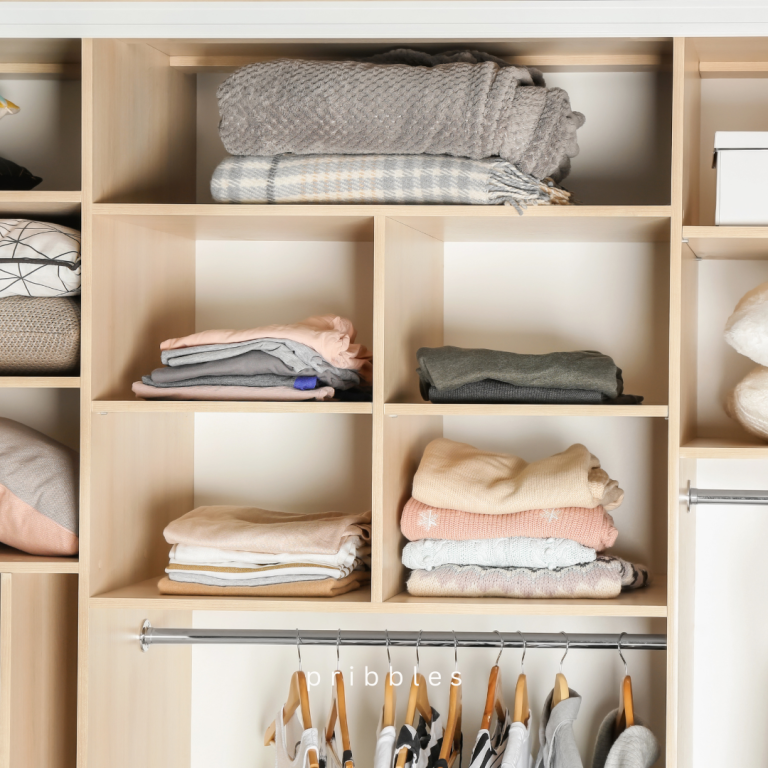
Closets can hold more than just clothes. Creating a toy zone inside a closet keeps toys contained and visually hidden. Use shelves, bins, and baskets to organize toys by category. This works especially well in small homes where playrooms are not an option.
15. Low Shelves for Toddlers
Low shelves are ideal for toddlers who need easy access to toys. Keeping toys at their height encourages independent play and helps them learn to clean up. Fewer toys on display prevents overwhelm and keeps the space calm. This setup supports development while keeping things organized.
16. Display Shelves for Favorite Toys
Some toys deserve to be seen. Display shelves allow kids to show off favorite items like figurines or collections. This keeps special toys safe while reducing clutter on the floor. Displaying toys can also make cleanup easier because items have a clear home.
17. Toy Chests with Soft Close Lids
Toy chests can still be useful when chosen carefully. Look for chests with soft close lids for safety. Use them for large quantities of toys that are used often. Keeping the contents limited helps prevent the chest from becoming a catch all mess.
18. Color Coded Storage for Shared Spaces
In shared play areas, color coded bins help each child know what belongs to them. This reduces confusion and arguments during cleanup. Each child can be responsible for their own bin, making organization more manageable. Color coding is simple but very effective.
19. Puzzle and Game Storage Upright
Storing puzzles and games upright instead of stacked saves space and keeps boxes from becoming damaged. This makes it easier for kids to grab one item without disturbing others. Upright storage also helps keep track of what you already have.
20. Toy Storage in Furniture Pieces
Furniture like coffee tables, ottomans, and side tables with hidden storage can hold toys discreetly. This is especially helpful in living rooms where toys need to coexist with adult spaces. Using furniture for storage reduces the need for extra bins or shelves.
21. Open Floor Bins for Quick Cleanup
Open floor bins are perfect for quick cleanups at the end of the day. Kids can toss toys in without worrying about perfect placement. This approach works well for busy families who want a fast and stress free system. You can always sort later if needed.
22. Regular Toy Decluttering Routine
No organization system works without regular decluttering. Set aside time every few months to remove broken toys, outgrown items, or things no longer used. This keeps storage from becoming overcrowded and makes organization easier. Fewer toys lead to better play and less mess.
Closing Thoughts
Toy organization does not need to be complicated or expensive to work well. The goal is to create systems that support your family’s routines and make everyday life easier. When toys have clear homes and cleanup is simple, kids can focus more on play and less on chaos.
Start with one or two ideas that feel manageable and build from there. A little intention goes a long way in creating a calmer, more organized home that still leaves plenty of room for fun.