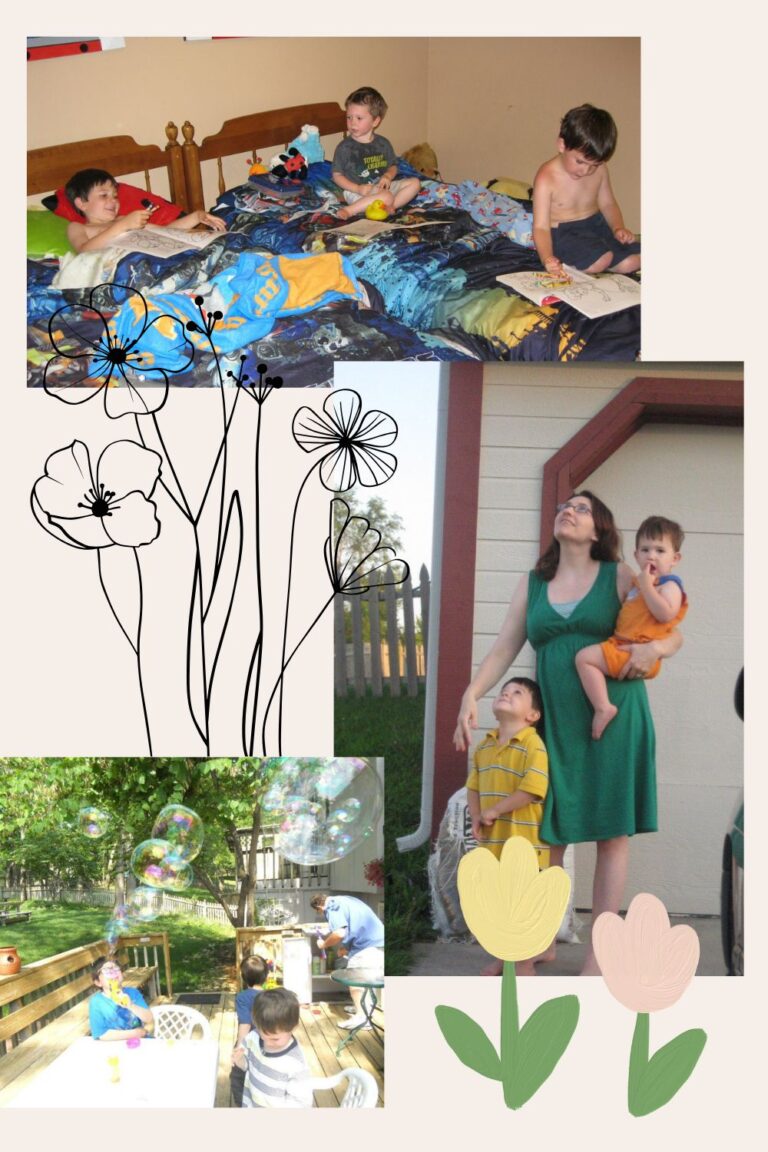
What Motherhood Taught Me About Grace
Motherhood didn’t teach me how to be perfect.
It taught me how to be gentle—with myself, with others, and with the messy middle of life.
Before I became a mother, I thought grace was mostly a spiritual concept—something you talked about in church or read about in books. I believed in it, sure. But I didn’t live it the way motherhood would eventually require me to. Motherhood has a way of stripping away the illusion that we can do everything right all the time. It humbles you. It exposes your limits. And if you let it, it softens you in the best possible ways.
Now, with grown kids and the gift of hindsight, I can see it clearly: motherhood taught me grace not because I mastered it—but because I needed it desperately.
Affiliate links may be used in this post and if so I will receive a commission at no extra cost. I’m also part of the Amazon Affiliate (Associate) program where I earn a commission from sales made through my affiliate links. Read the full disclosure policy.

The Early Days: When Grace Felt Out of Reach
In the early years of motherhood, I didn’t think I needed more grace. I thought I needed better systems. Better routines. Better patience. Better energy. Better everything.
I wanted to be the mom who did it all effortlessly. The mom whose house was calm, whose kids were well-behaved, whose meals were balanced, whose emotions were steady. I compared myself constantly—mostly to versions of motherhood that weren’t even real.
And when I fell short (which was often), I was hard on myself.
Why can’t I handle this better?
Why am I so tired?
Why does this feel harder for me than it seems to be for everyone else?
Grace, at that point, felt like something for other people. People who had it worse. People who truly failed. I didn’t realize yet that motherhood itself is an invitation to grace—not after we get it right, but because we never fully will.
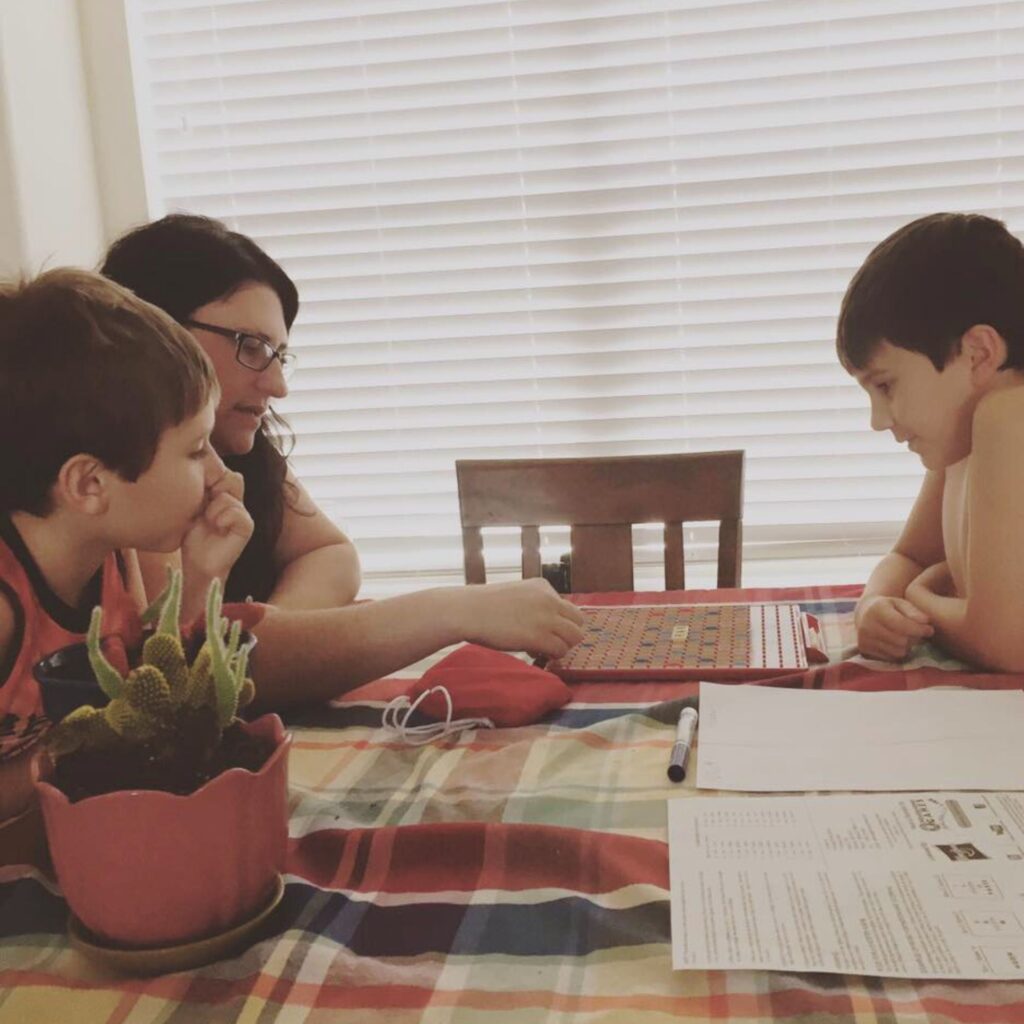
Motherhood Shows You Your Limits—And That’s Not a Flaw
One of the most unexpected lessons motherhood taught me was this: having limits doesn’t make you weak—it makes you human.
There were seasons when my patience ran thin. Seasons when I snapped when I didn’t want to. Seasons when exhaustion sat in my bones and I couldn’t think straight. I learned very quickly that love alone doesn’t give you infinite capacity. You can love your children fiercely and still feel overwhelmed, depleted, and unsure.
Motherhood forced me to face the truth about myself—my energy, my emotional bandwidth, my physical limitations. And instead of that truth disqualifying me, it became the very place grace had to meet me.
Grace isn’t pretending you don’t have limits.
Grace is acknowledging them without shame.
Grace Looks Like Letting Go of the “Ideal Mom”
Somewhere along the way, I realized I had been chasing an imaginary version of motherhood that didn’t actually exist. The “ideal mom” was always calm, always present, always joyful. She never raised her voice. She never doubted herself. She never felt bored, resentful, or overstimulated.
But real motherhood doesn’t look like that.
Real motherhood looks like apologizing to your kids when you mess up.
It looks like doing your best on a bad day.
It looks like choosing connection over perfection—even when the house is a mess and the plan falls apart.
Grace taught me that I didn’t need to become a different kind of mother. I needed to accept the one I already was.
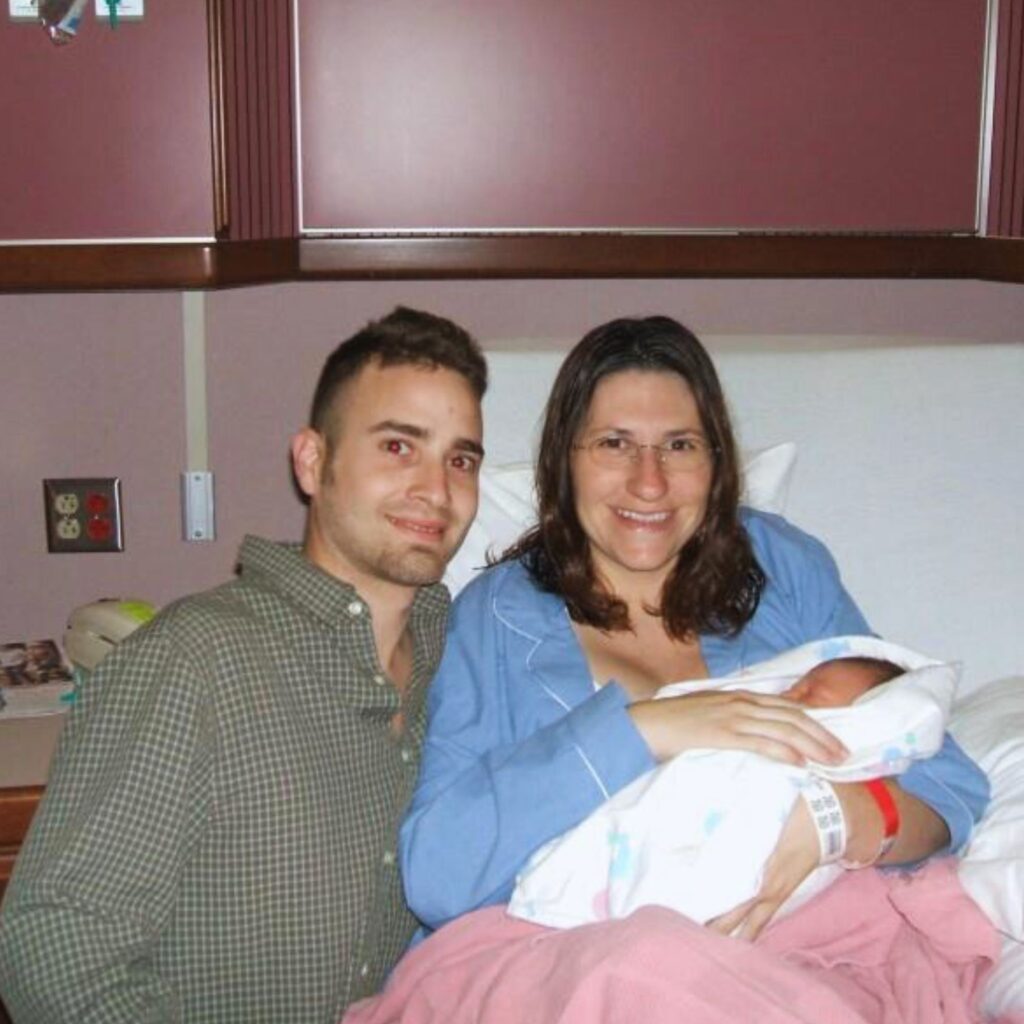
What Motherhood Taught Me About Giving Myself Grace
If there’s one thing I wish I could go back and tell my younger self, it’s this: you are allowed to be imperfect and still be a good mom.
Here are some of the ways motherhood taught me to extend grace to myself—and how I hope other moms can, too.
1. You’re Allowed to Be Tired
Motherhood is physically and emotionally demanding. There’s no prize for pretending you’re not exhausted. Grace begins when you stop judging yourself for being tired and start listening to what your body and heart are telling you.
Rest isn’t laziness.
Needing a break isn’t weakness.
Being tired doesn’t mean you’re doing something wrong.
2. You Can Love Your Kids and Still Struggle
This is such an important truth, and one we don’t talk about enough. Loving your children deeply doesn’t mean every moment feels fulfilling. Some days are repetitive. Some seasons are draining. Some moments are just plain hard.
Grace allows both things to exist at once.
You can be grateful and overwhelmed.
Joyful and frustrated.
Fulfilled and longing for space.
3. Mistakes Don’t Define Your Motherhood
Motherhood is full of do-overs. You will say the wrong thing. You will handle situations differently than you wish you had. You will look back and think, I would do that differently now.
That doesn’t make you a failure—it means you grew.
Grace says: learn, apologize, adjust, and move forward without dragging shame behind you.
4. Comparison Steals Grace Faster Than Almost Anything
Comparing your motherhood to someone else’s will rob you of peace every time. You don’t see their whole story. You don’t know their private struggles. And even if their situation truly is different, that doesn’t invalidate your own.
Grace reminds you that your motherhood doesn’t need to look like anyone else’s to be meaningful.
5. Your Worth Isn’t Measured by Productivity
Motherhood can quietly teach you that your value comes from what you produce—clean houses, successful kids, full schedules. But grace gently pushes back against that lie.
You matter because you exist.
You matter even on slow days.
You matter even when nothing gets crossed off the list.
Grace Changes How You See Other Moms Too
One of the most beautiful side effects of learning grace through motherhood is how it changes the way you view other women.
When you’ve been humbled by your own limits, it becomes easier to extend compassion to someone else’s. You stop assuming. You stop judging so quickly. You start realizing that everyone is carrying something you can’t see.
Motherhood taught me that most moms aren’t failing—they’re surviving, learning, loving, and doing their best with what they have.
Grace turns competition into community.
Grace in the Later Seasons of Motherhood
With grown kids, grace looks different—but it’s still just as necessary.
It looks like releasing guilt over things I would change if I could.
It looks like trusting that love mattered more than perfection.
It looks like believing that God filled in the gaps where I fell short.
Motherhood doesn’t end—it just evolves. And grace continues to meet us in each new phase, reminding us that we were never meant to carry it all alone.
Practical Ways Moms Can Practice Grace Daily
Grace doesn’t have to be abstract. It can show up in small, tangible ways:
- Speak to yourself the way you would speak to a dear friend
- Lower the bar on hard days
- Celebrate what went right instead of fixating on what didn’t
- Take breaks without guilt
- Ask for help when you need it
- Let “good enough” be good enough
Grace grows in the small, repeated choices to be kind to yourself.
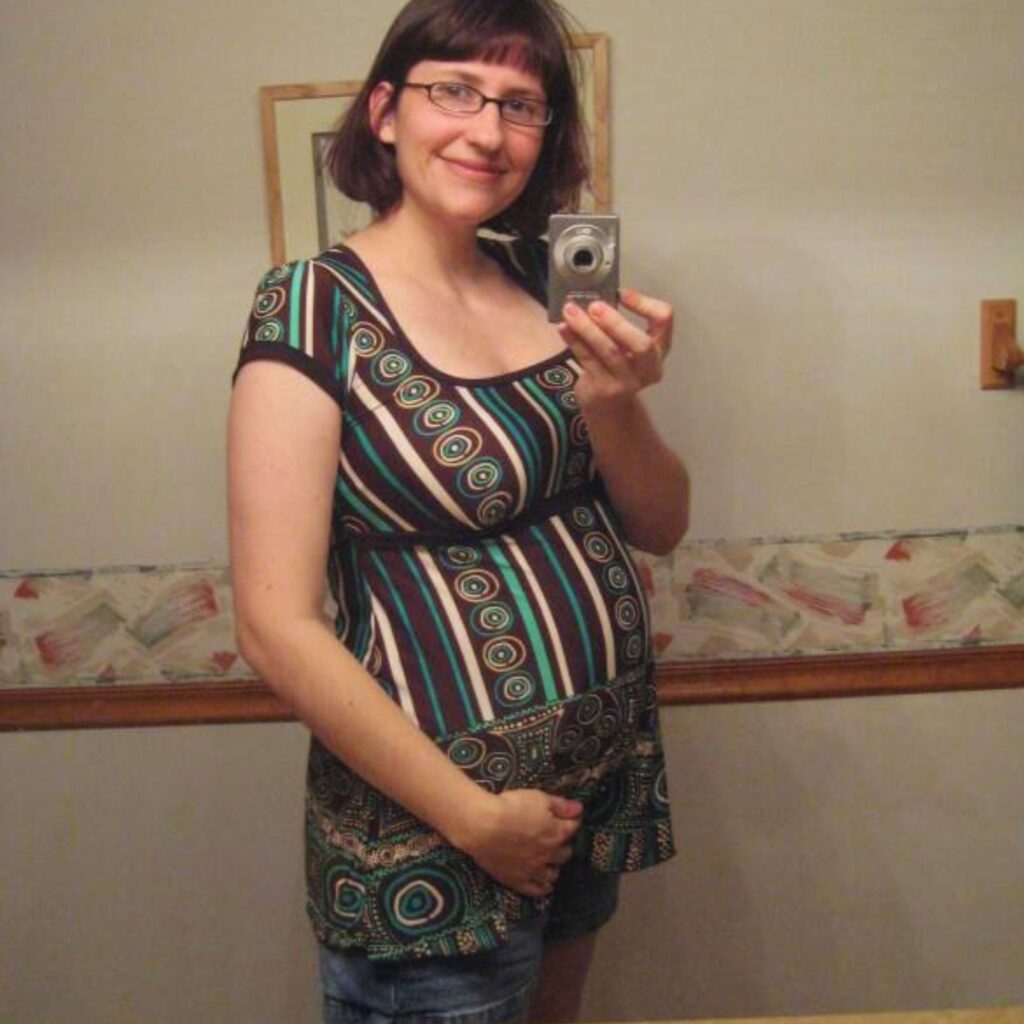
The Gift Grace Gives Your Children
Here’s something I didn’t realize early on: the way you treat yourself teaches your children how to treat themselves.
When they see you extend grace to your own mistakes, they learn it’s safe to make theirs. When they see you rest without shame, they learn that rest is allowed. When they hear you apologize, they learn humility and repair.
Grace doesn’t weaken your parenting—it strengthens it.
Final Thoughts: Grace Is the Lesson I’ll Carry Forever
Motherhood taught me many things—patience, endurance, fierce love—but grace may be the most lasting lesson of all.
Grace taught me that I didn’t need to be flawless to be faithful.
Grace taught me that growth matters more than perfection.
Grace taught me that love covers far more than mistakes ever could.
If you’re a mom who feels like she’s falling short today, I want you to hear this clearly:
You are not failing.
You are learning.
You are growing.
And grace is already meeting you right where you are.