12 Fall Stem Activities for Kids
Last Updated on 07/28/2026 by Nell Marie
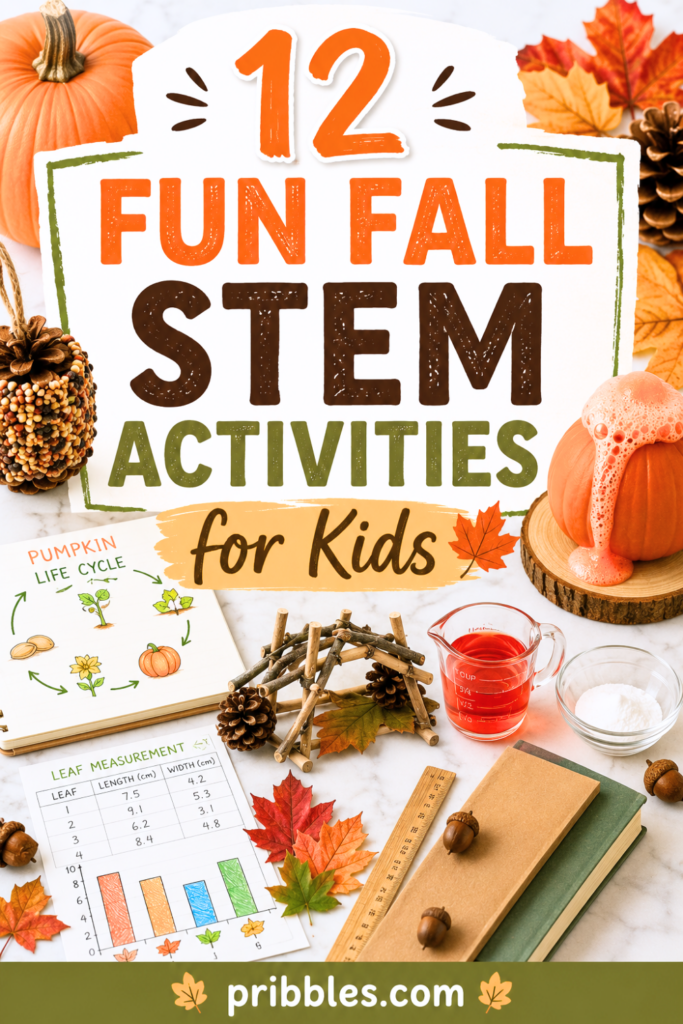
Fall is the perfect time to bring learning outdoors and turn everyday autumn treasures into exciting STEM adventures.
Whether you’re exploring colorful leaves, building with pinecones, or experimenting with pumpkins and apples, these hands-on activities help kids develop critical thinking, problem-solving, and creativity while having fun.
Grab a few simple supplies and get ready to make science, technology, engineering, and math one of your favorite parts of the season!
Affiliate links may be used in this post and if so I will receive a commission at no extra cost. I’m also part of the Amazon Affiliate (Associate) program where I earn a commission from sales made through my affiliate links. Read the full disclosure policy.
More fall themed crafts and activities:
- Paper Plate Pumpkin Craft
- Leaf Rubbing Art: A Classic Craft for Toddlers & Kids
- Top 10 Preschool Halloween Crafts You’ve Gotta Try!
- 12 Easy and Fun Pumpkin Crafts for Toddlers
- 17 Easy Fall Craft Ideas for Kids
Build a Pumpkin Catapult
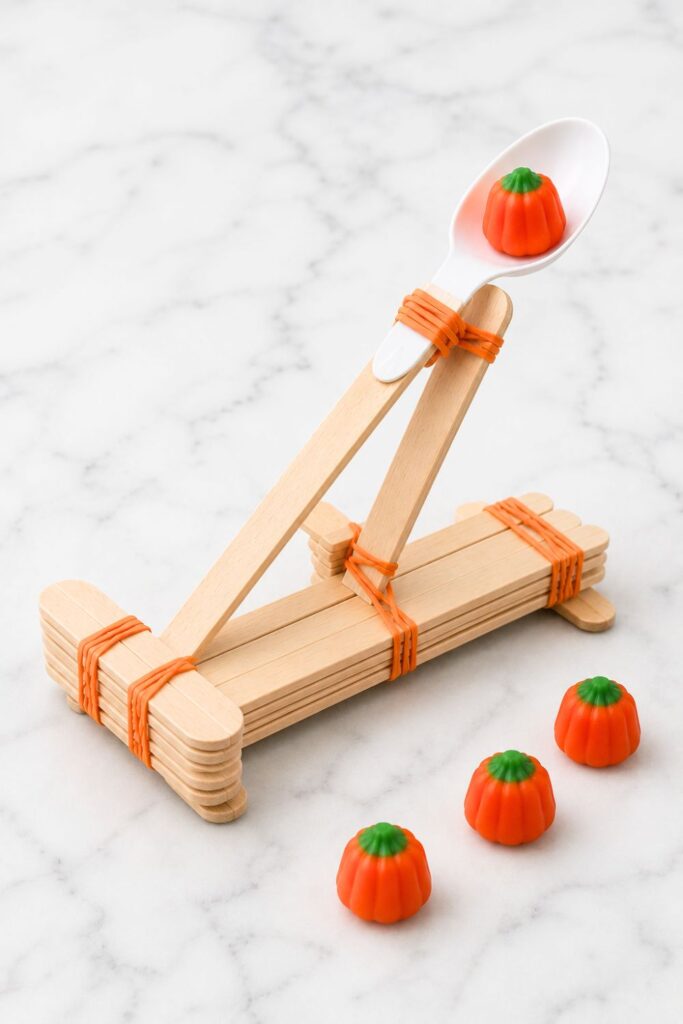
Here’s a fun way to kick off your fall STEM adventures! Building a pumpkin catapult gives kids the chance to become little engineers as they design, build, test, and improve their own launcher. It’s an exciting activity that naturally introduces concepts like force, motion, distance, and problem-solving while encouraging creativity and experimentation.
How to Build a Pumpkin Catapult
- Stack 6–8 popsicle sticks together and secure both ends with rubber bands.
- Wrap a rubber band around two additional popsicle sticks at one end to create a hinged arm.
- Slide the stack of popsicle sticks between the two hinged sticks near the rubber band.
- Secure a plastic spoon to the top popsicle stick with another rubber band.
- Place a candy pumpkin, pom-pom, or mini marshmallow in the spoon.
- Press down on the spoon and release to launch your “pumpkin!”
- Measure how far each launch travels and encourage kids to make changes to their catapult to see what improves the distance or accuracy.
STEM Focus: Engineering, force, motion, measurement, and problem-solving.
Apple Float Experiment
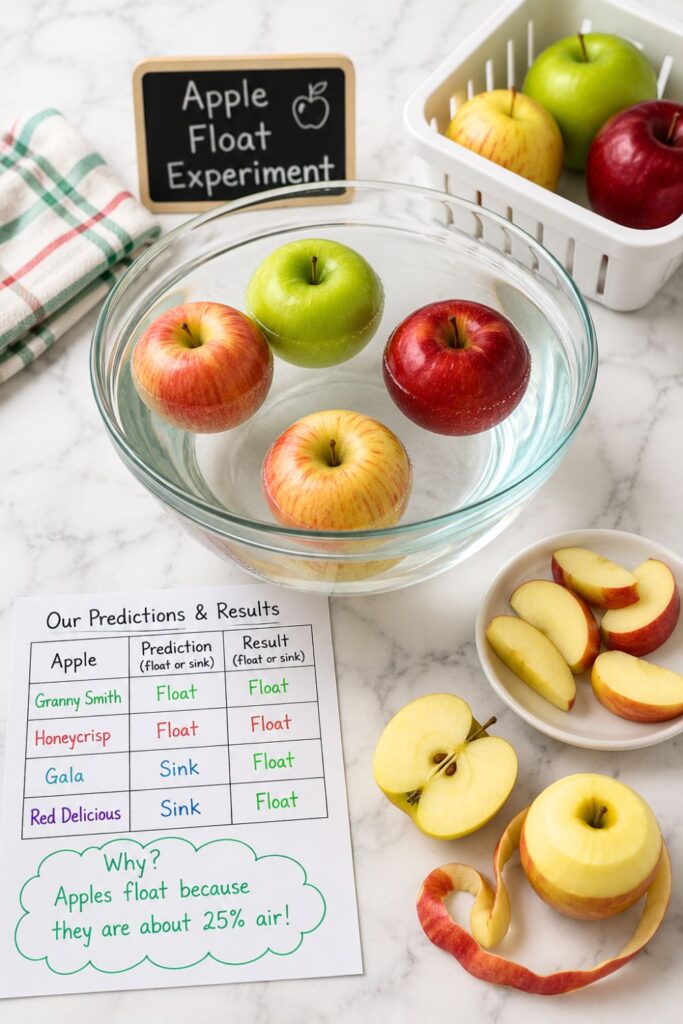
The apple float experiment is a simple science activity that surprises many kids the first time they try it. While most people expect apples to sink, they actually float because about 25% of an apple is made up of air. This hands-on experiment encourages children to make predictions, observe what happens, and learn about density while having fun with a favorite fall fruit.
How to Do an Apple Float Experiment
- Fill a large bowl, bucket, or sink with water.
- Gather several different varieties of apples and ask kids to predict whether each one will sink or float.
- Place each apple in the water one at a time and observe what happens.
- Record your observations in a notebook or simple chart.
- Try peeling an apple or cutting one into halves or slices to see if it changes how it floats.
- Talk about why apples float and compare the different varieties to see if there are any noticeable differences.
STEM Focus: Science, density, observation, prediction, and critical thinking.
Leaf Color Chromatography
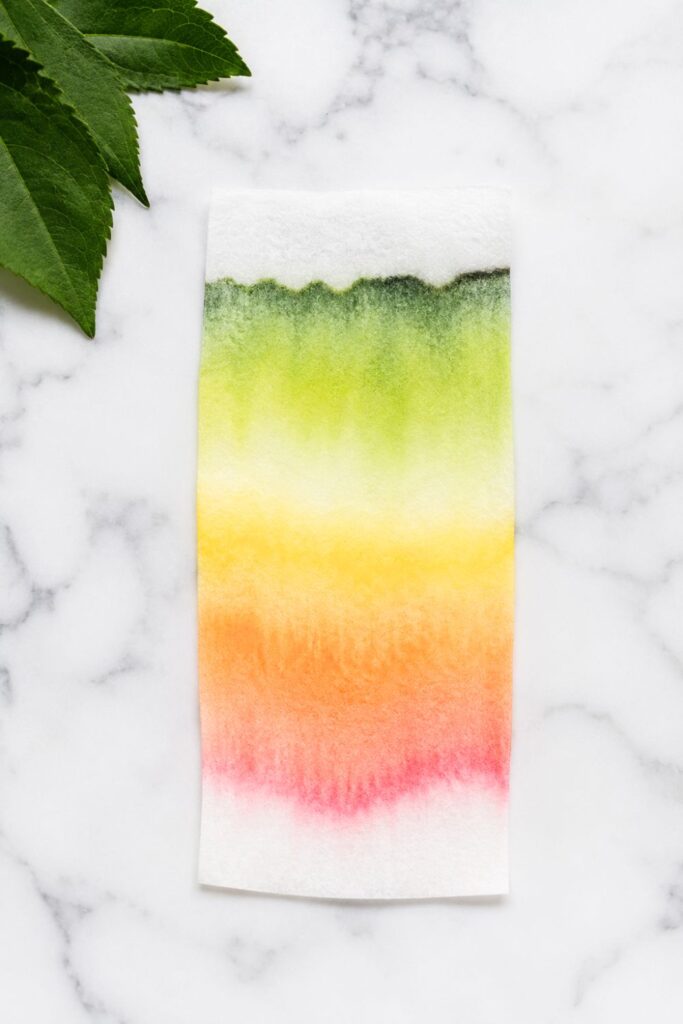
Leaf color chromatography is a fascinating fall science experiment that lets kids discover the colorful pigments hidden inside green leaves. As the pigments separate on a coffee filter, children can see the yellows, oranges, and reds that are normally masked by green chlorophyll. It’s a simple activity that encourages observation, curiosity, and a deeper appreciation for the science behind changing autumn leaves.
How to Do Leaf Color Chromatography
- Collect several fresh green leaves from different trees.
- Tear the leaves into small pieces and place them in a small cup or jar.
- Add just enough rubbing alcohol to cover the leaf pieces.
- Gently crush the leaves with a craft stick or spoon to release the pigments.
- Cut a strip of coffee filter and place one end into the liquid while the rest hangs over the edge of the container.
- Let the coffee filter sit for 30–60 minutes as the alcohol travels upward, separating the different pigments.
- Once dry, examine the colorful bands and compare the results from different types of leaves.
STEM Focus: Chemistry, observation, scientific investigation, and critical thinking.
Candy Corn Tower Challenge
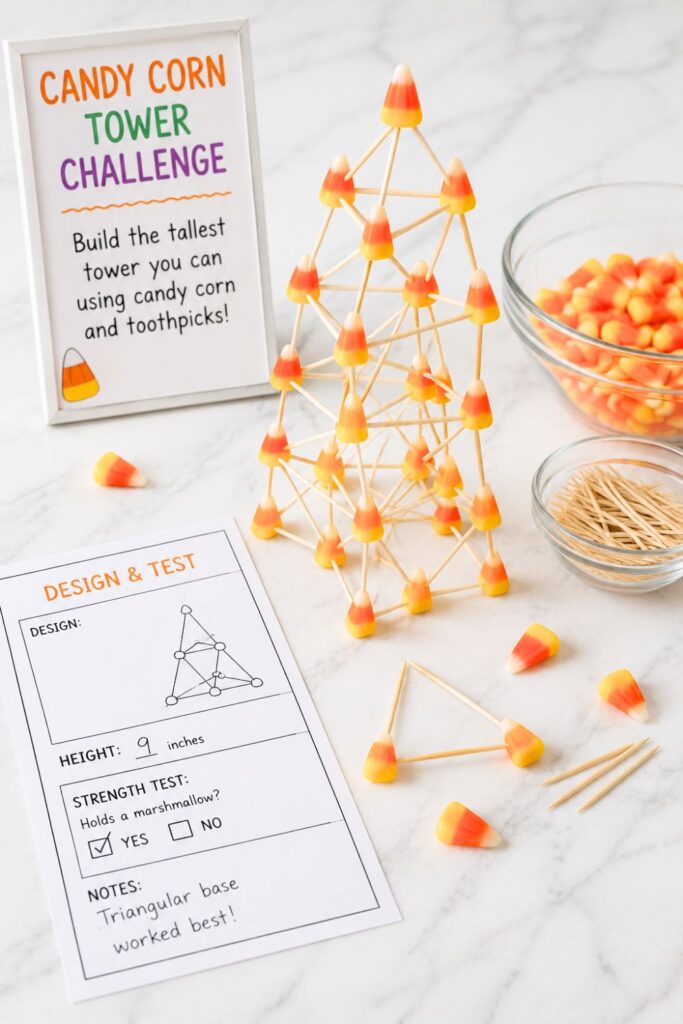
The Candy Corn Tower Challenge is a fun engineering activity that encourages kids to think creatively while experimenting with balance, stability, and design. Using only candy corn and toothpicks, children can build unique structures, test their strength, and discover how small design changes can make a big difference. It’s a playful way to practice problem-solving and teamwork during the fall season.
How to Do the Candy Corn Tower Challenge
- Give each child a handful of candy corn and a pile of toothpicks.
- Challenge them to build the tallest free-standing tower they can within a set amount of time.
- Encourage kids to experiment with different shapes and building techniques if their tower falls over.
- Once everyone is finished, measure each tower to see which is the tallest.
- Test the strength of each structure by seeing if it can support a small object, such as a marshmallow, plastic spider, or cotton ball.
- Talk about which designs worked best and what changes could make the towers even stronger.
STEM Focus: Engineering, design, critical thinking, problem-solving, and teamwork.
Pumpkin Sink or Float Investigation
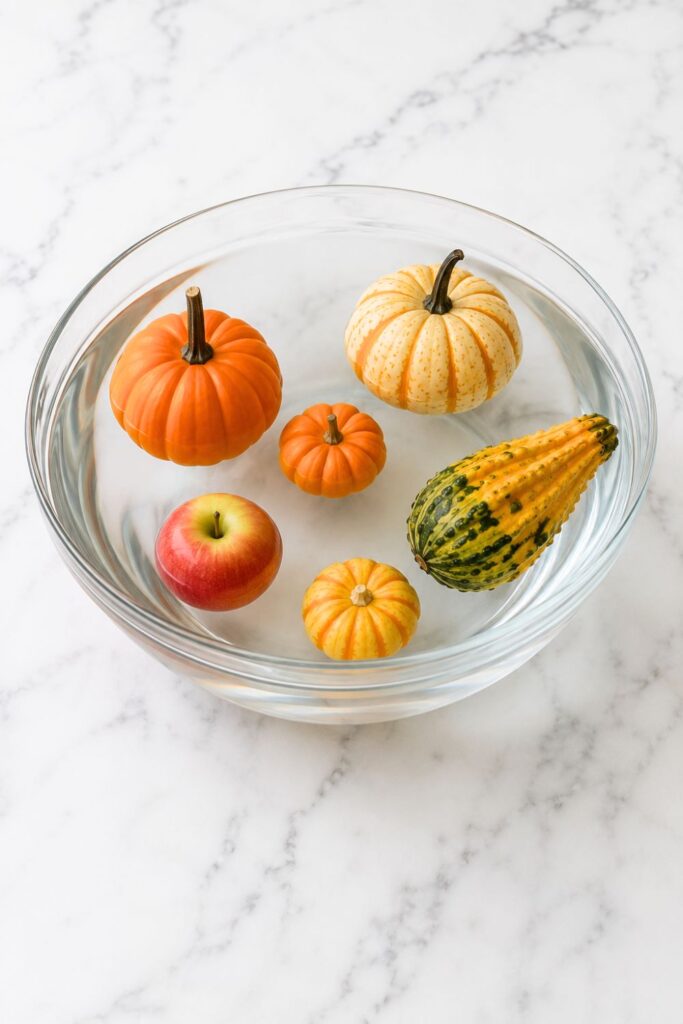
A pumpkin sink or float investigation is an easy fall STEM activity that gets kids thinking like real scientists. Before placing each object in the water, they’ll make predictions, test their ideas, and compare the results. It’s a fun way to practice the scientific method while learning about buoyancy, density, and careful observation.
How to Do a Pumpkin Sink or Float Investigation
- Fill a large bucket, tub, or sink with water.
- Gather a variety of fall items such as mini pumpkins, carving pumpkins, gourds, apples, acorns, and pinecones.
- Ask kids to predict whether each item will sink or float before testing it.
- Place each item in the water one at a time and observe what happens.
- Record the predictions and results in a notebook or simple chart.
- Compare which predictions were correct and discuss why some objects floated while others sank.
STEM Focus: Scientific method, prediction, observation, data collection, and critical thinking.
Nature Engineering Challenge
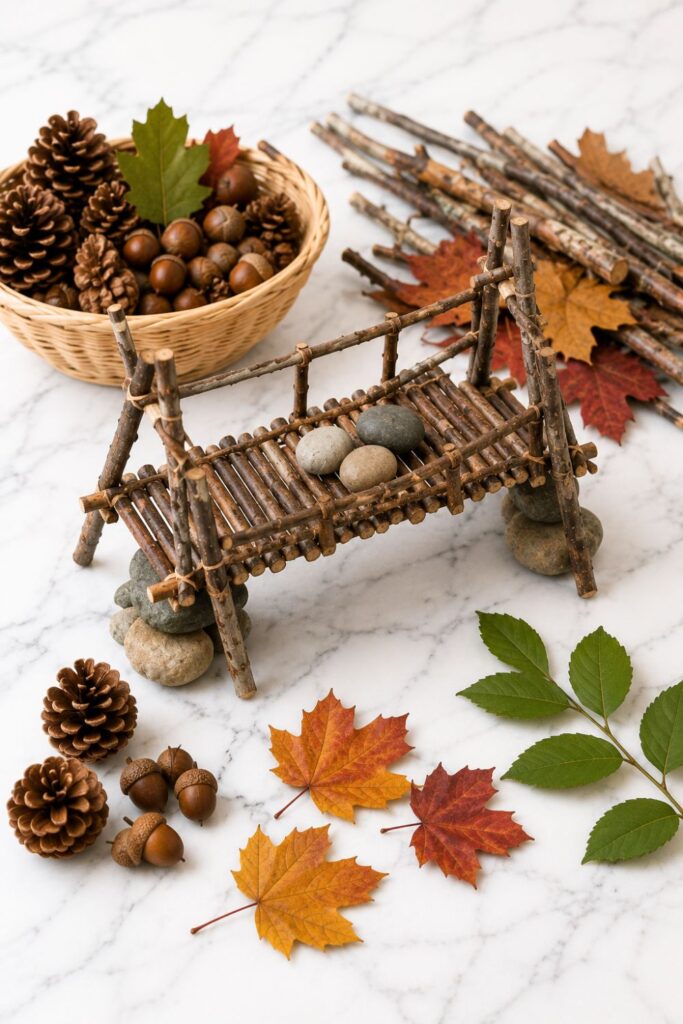
The Nature Engineering Challenge encourages kids to use the materials they find outdoors to solve real-world building problems. Using sticks, leaves, pinecones, and other natural treasures, they’ll design and build their own structures while learning about balance, stability, and creative problem-solving. It’s a wonderful way to combine outdoor exploration with hands-on engineering.
How to Do a Nature Engineering Challenge
- Head outside and collect natural materials like sticks, leaves, pinecones, acorns, bark, and small rocks.
- Challenge kids to build a bridge, shelter, tower, or tiny house using only the materials they collected.
- Once the structure is finished, test its strength by placing small objects like toy animals, blocks, or rocks on top.
- Encourage kids to make improvements if their structure collapses or isn’t sturdy enough.
- Talk about which designs worked best and why they were stronger than others.
STEM Focus: Engineering, design, problem-solving, structural stability, and critical thinking.
Pumpkin Volcano
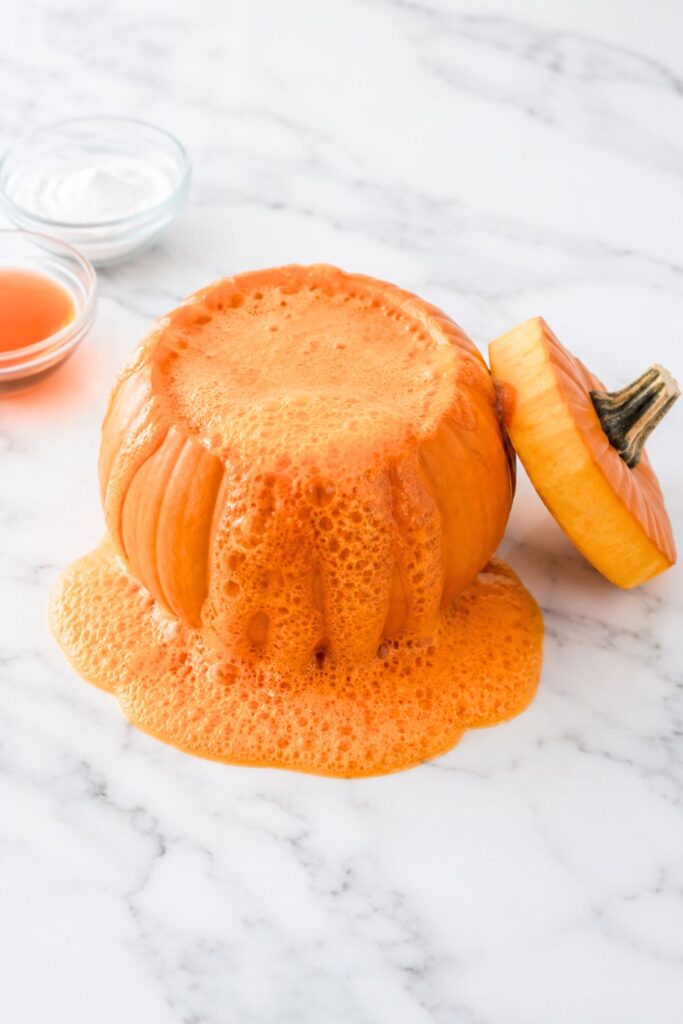
A pumpkin volcano is a classic fall science experiment that’s always a hit with kids. Watching a pumpkin bubble and overflow with colorful foam makes learning about chemical reactions exciting and memorable. Best of all, it uses simple household ingredients and comes together in just a few minutes.
How to Make a Pumpkin Volcano
- Cut the top off a small pumpkin and scoop out the seeds and pulp.
- Place the pumpkin on a tray or outside where it’s okay to make a mess.
- Add 2–3 tablespoons of baking soda inside the pumpkin.
- Mix vinegar with a few drops of orange food coloring (and a squirt of dish soap if you’d like extra foamy bubbles).
- Slowly pour the vinegar mixture into the pumpkin and watch the eruption!
- Repeat the experiment by adding more baking soda and vinegar, or try changing the amounts to see how it affects the eruption.
STEM Focus: Chemistry, chemical reactions, observation, and scientific experimentation.
Leaf Measurement & Graphing
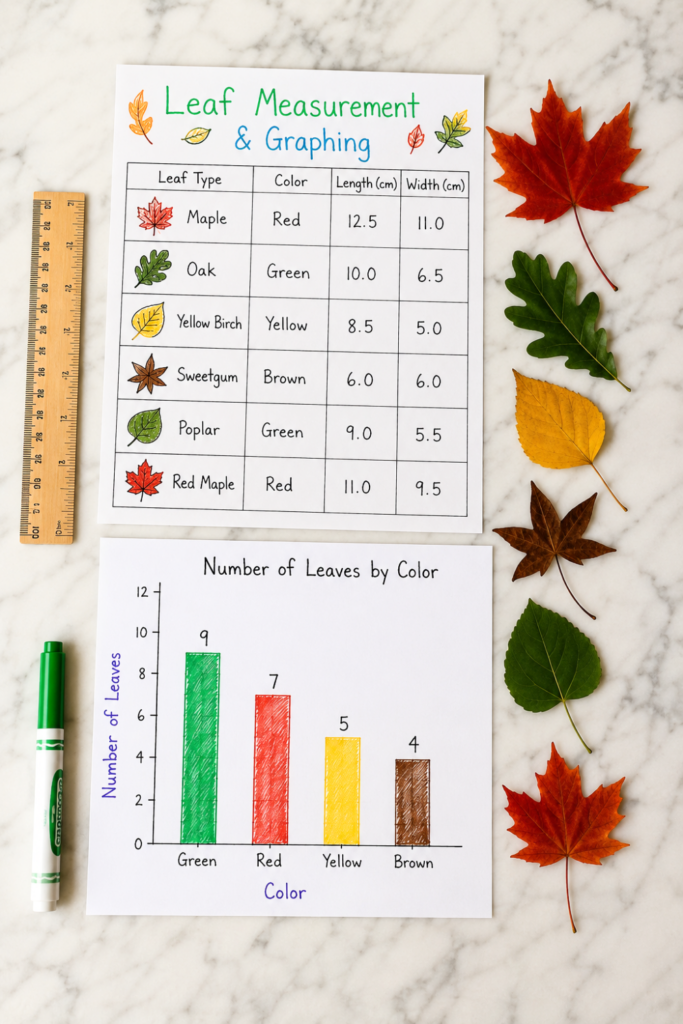
Leaf measurement and graphing is a wonderful way to combine nature exploration with math skills. As kids collect leaves of different shapes and sizes, they’ll practice measuring, sorting, organizing data, and creating simple graphs. It’s a hands-on activity that shows how math can help us understand and compare the world around us.
How to Do Leaf Measurement & Graphing
- Go on a nature walk and collect a variety of leaves.
- Measure the length and width of each leaf using a ruler.
- Sort the leaves by color, shape, size, or tree type.
- Record your measurements and observations on paper.
- Create a simple bar graph showing categories such as leaf color, leaf type, or the number of leaves collected.
- Compare the results and discuss which group had the most, the least, or the largest average size.
STEM Focus: Math, measurement, data collection, graphing, and observation.
Apple Taste Test & Data Collection
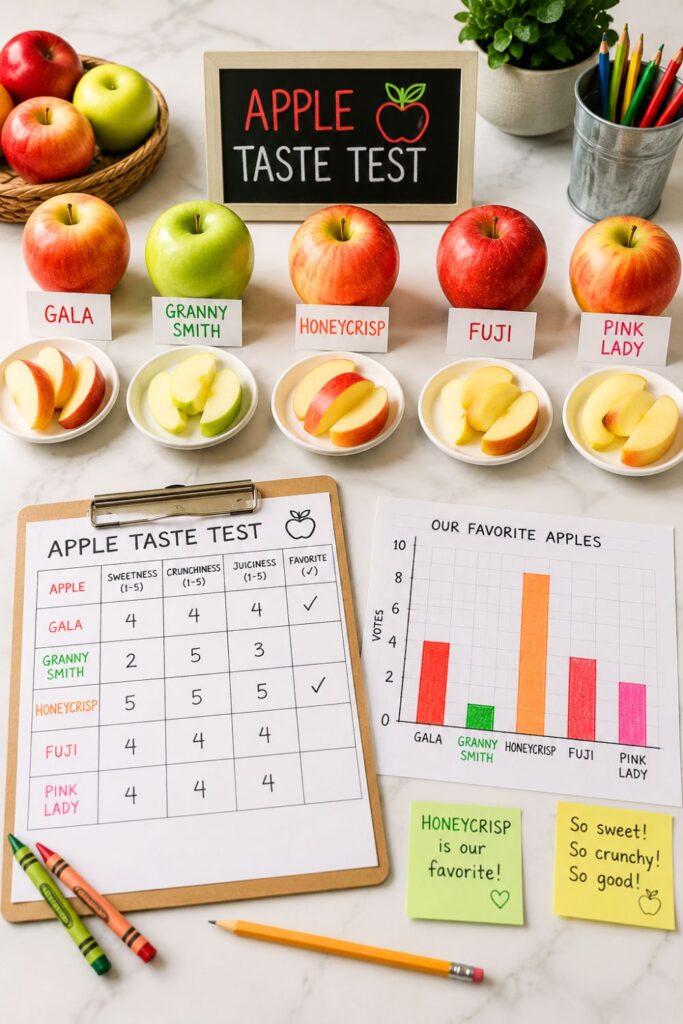
An apple taste test is a delicious way to introduce kids to data collection and graphing. As they sample different apple varieties, they’ll compare flavors and textures while learning how to organize information and identify patterns. It’s a fun activity that combines science, math, and healthy eating into one memorable fall lesson.
How to Do an Apple Taste Test & Data Collection
- Gather several different apple varieties, such as Gala, Honeycrisp, Granny Smith, Fuji, or Pink Lady.
- Slice the apples into bite-sized pieces and label each variety.
- Have each participant taste every apple and rate its sweetness, crunchiness, and juiciness on a simple score sheet.
- Count how many votes each apple receives for favorite taste or texture.
- Create a bar graph showing the results and compare which apple was the class or family’s favorite.
- Discuss why everyone’s preferences may have been different and what patterns you notice in the data.
STEM Focus: Data collection, graphing, observation, comparison, and critical thinking.
Build a Pinecone Bird Feeder
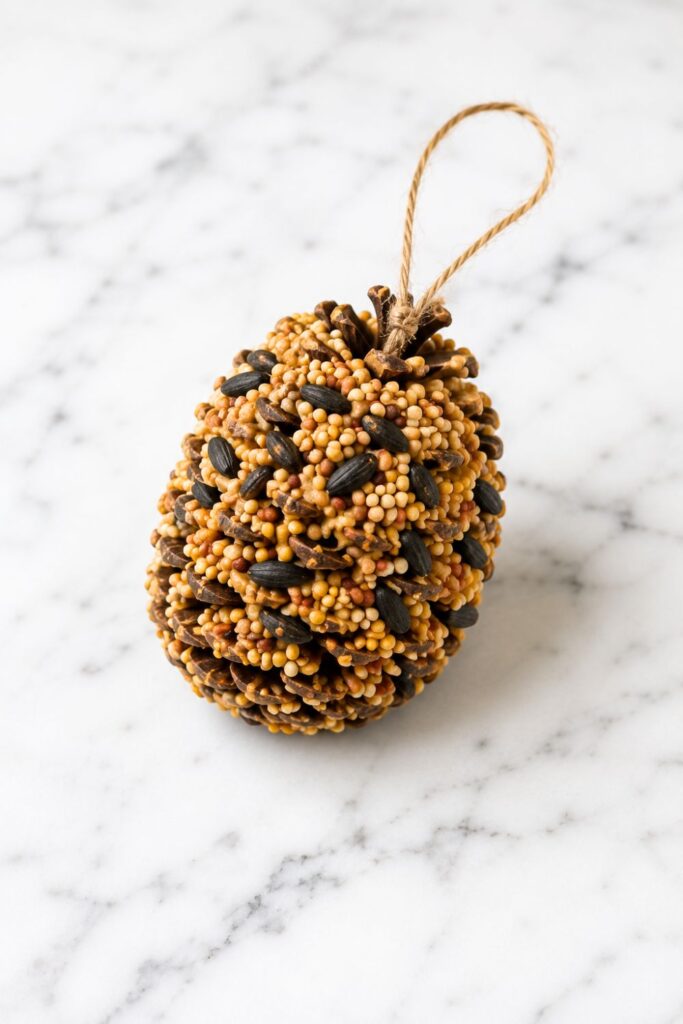
Building a pinecone bird feeder is a simple fall activity that helps kids learn about local wildlife while creating something useful for birds. As they watch different birds visit the feeder, they’ll practice careful observation and discover how animals interact with their environment. It’s a wonderful way to combine creativity, science, and time outdoors.
How to Build a Pinecone Bird Feeder
- Gather a large pinecone, peanut butter (or sunflower butter for allergy-friendly options), birdseed, and a piece of string.
- Tie the string securely around the top of the pinecone.
- Spread peanut butter or sunflower butter all over the pinecone using a butter knife or craft stick.
- Roll the pinecone in a tray of birdseed until it is well coated.
- Hang the bird feeder from a tree branch or another safe outdoor location.
- Watch throughout the day to see which birds stop by, and keep a journal of the different species you observe.
STEM Focus: Biology, observation, animal behavior, and nature study.
Acorn Ramp Experiment
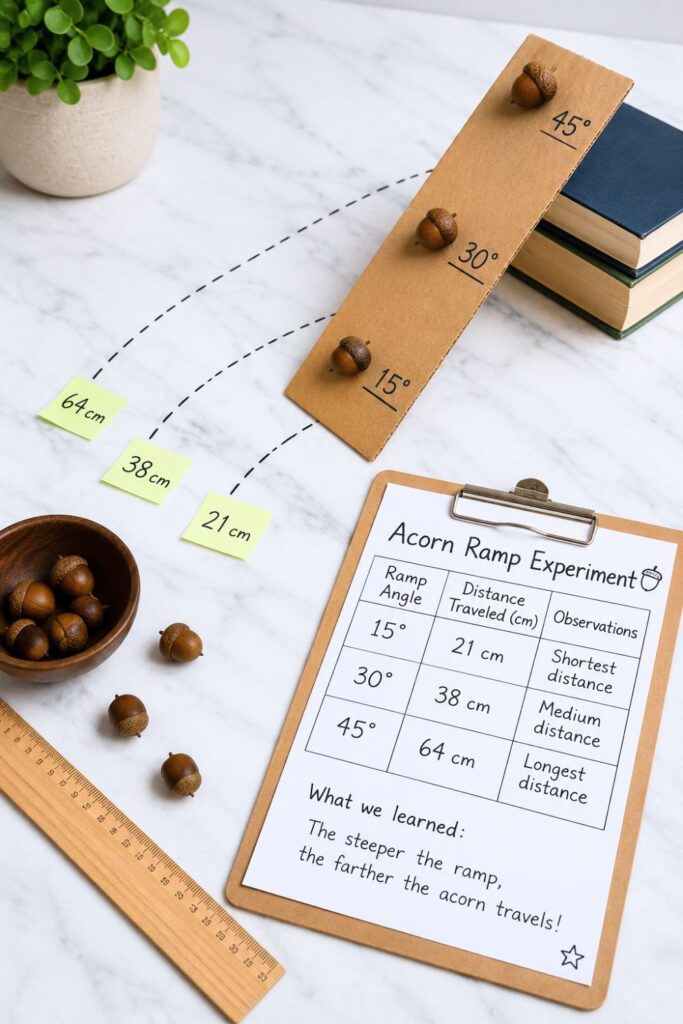
The acorn ramp experiment is a fun way to introduce kids to the basics of physics using materials they can find right outside. As they build ramps with different angles, they’ll discover how slope affects speed and distance while practicing measuring, predicting, and testing their ideas. It’s an engaging activity that encourages curiosity and hands-on learning.
How to Do an Acorn Ramp Experiment
- Build a ramp using a piece of cardboard, a wooden board, or a book.
- Gather several acorns and a ruler or measuring tape.
- Start with a gentle slope and roll an acorn down the ramp.
- Measure how far the acorn travels after it leaves the ramp and record the distance.
- Raise the ramp to make it steeper and repeat the experiment several times.
- Compare the results to see how the angle of the ramp affected the acorn’s speed and distance, and encourage kids to make predictions before each test.
STEM Focus: Physics, motion, measurement, prediction, and observation.
Pumpkin Life Cycle Investigation
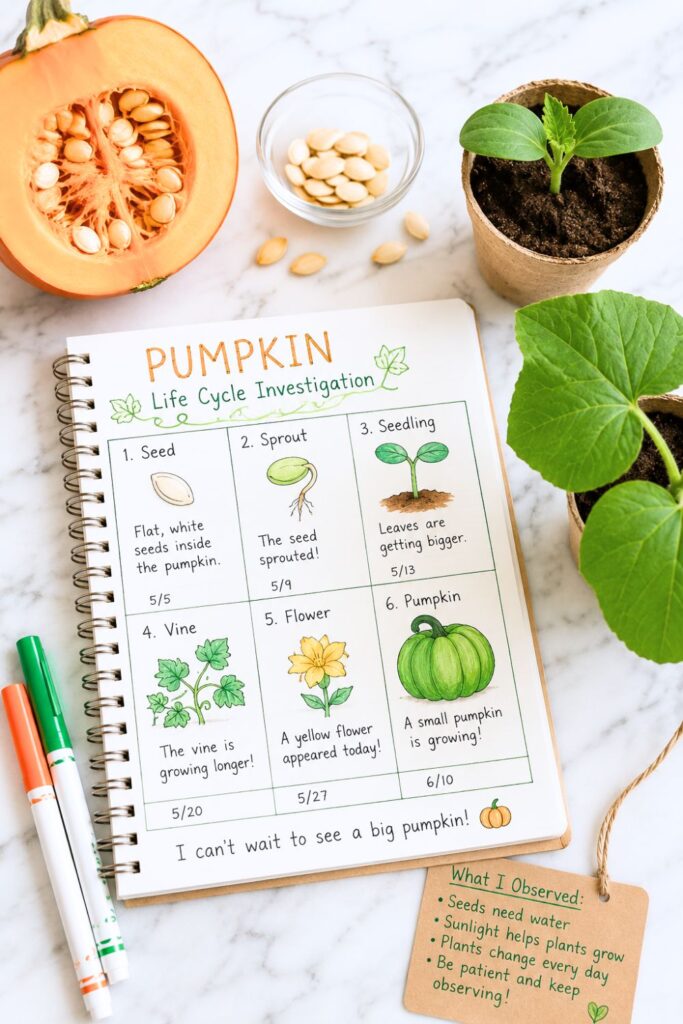
A pumpkin life cycle investigation gives kids a close-up look at how a tiny seed can eventually grow into a large pumpkin. By examining, planting, and observing the seeds over time, children can practice patience, careful observation, and scientific journaling while learning about plant growth.
How to Do a Pumpkin Life Cycle Investigation
- Cut open a pumpkin and examine the seeds, pulp, skin, and stem.
- Remove a few seeds, rinse away the pulp, and allow them to dry.
- Plant the seeds in small containers filled with potting soil.
- Place the containers in a warm, sunny spot and keep the soil lightly moist.
- Check the seeds regularly for signs of sprouting and new growth.
- Create a life cycle journal with dated drawings, measurements, and observations.
- Discuss the stages of the pumpkin life cycle: seed, sprout, vine, flower, green pumpkin, and mature pumpkin.
STEM Focus: Plant biology, life cycles, observation, measurement, and scientific journaling.
Final Thoughts
Whether your kids love building, experimenting, measuring, or exploring nature, these fall STEM activities are a wonderful way to make learning feel like play. With simple supplies and plenty of seasonal inspiration, each activity encourages curiosity, creativity, and hands-on discovery while helping children build important science, technology, engineering, and math skills.
The best part is that many of these projects can be done right at home or outside in your own backyard. So grab a few pumpkins, leaves, apples, or pinecones, and enjoy making unforgettable fall memories while inspiring a lifelong love of learning. Happy exploring!